


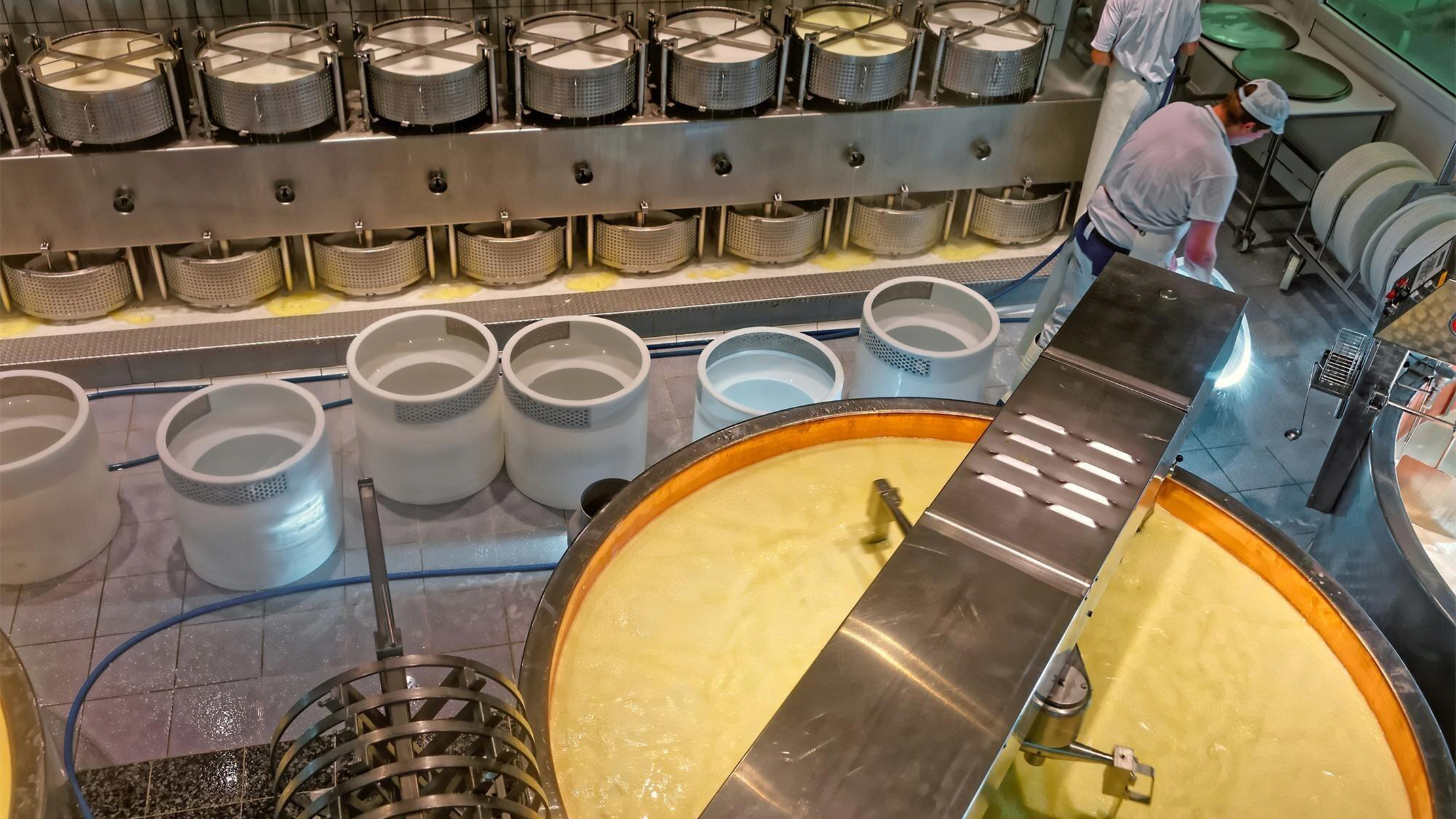
Maintaining high standards of cleanliness in the food industry is essential to prevent contamination risks that could affect consumer health and to comply with food safety regulations. A well-defined cleaning protocol ensures that each stage of the production process maintains a hygienic environment, minimizing the possibility of cross-contamination and guaranteeing product quality. Below, we will explore the necessary steps to establish an effective cleaning protocol, emphasizing the use of specialized products from Instaquim, which has developed specific solutions for the food industry.
Introduction to the Importance of Cleaning Protocols in the Food Industry
In the food industry, a cleaning protocol is not only a basic hygiene necessity but also a legal requirement. Regulations such as Regulation (EC) No 852/2004 on the hygiene of foodstuffs in Europe establish that companies must implement management systems to ensure that their facilities and processes comply with strict hygiene standards. These protocols help prevent the spread of bacteria such as Salmonella, E. coli, and Listeria, among other pathogens that pose serious risks to human health.
In addition to complying with regulations, having an effective cleaning protocol provides multiple benefits for the company:
· Cost reduction: Preventing contamination avoids product recalls, economic losses, and fines.
· Reputation improvement: Quality and food safety audits certify the company’s practices, generating trust among consumers.
· Operational efficiency: Organized cleaning procedures minimize production interruptions and optimize time.
Identifying Critical Areas in the Food Industry
One of the first steps in implementing a cleaning protocol is to identify and classify the areas with the highest contamination risk. This allows cleaning practices to be adapted to the needs of each space, maximizing the protocol’s effectiveness and efficiency. Critical areas in the food industry include:
· Work surfaces: These areas are in direct contact with food, making them critical hygiene points. Work surfaces must be cleaned and disinfected after each use and, in some cases, several times a day. For cleaning these surfaces, Instaquim offers specific products such as direct-use disinfectants and detergents with antimicrobial action.
· Production equipment: Equipment that comes into direct contact with food requires frequent cleaning and disinfection to prevent the buildup of organic residues and microorganisms that could contaminate products. Instaquim suggests the use of degreasers and specific detergents for machinery maintenance, ensuring optimal conditions.
· Storage and refrigeration areas: Preventing mold and bacterial growth due to moisture and residue is essential in these zones. Regular cleaning of shelves, walls, and floors is key. Instaquim provides broad-spectrum cleaning solutions effective at removing organic residues and maintaining safe storage conditions.
· Transit areas and locker rooms: These areas are often overlooked, but personnel movement can be a source of cross-contamination. Hygiene and surface disinfection solutions in locker rooms and access areas help reduce this risk. Products like Instaquim’s hand sanitizers and bactericidal soaps are essential for these zones.
Each of these areas should be included in the company’s cleaning plan, specifying applicable products, frequencies, and methods to ensure comprehensive coverage.
Designing a Cleaning Protocol
The design of a cleaning protocol should be based on the specific needs of the production plant, considering the characteristics of each critical area and associated risks. Some key aspects of the initial design include:
· Risk assessment and critical points: It is essential to analyze the workflow in each area to identify where the highest probabilities of contamination exist. This includes observing how products are handled, the type of residues generated, and the potential pathogens present.
A detailed assessment helps define the intensity and frequency of cleaning required in each area.
· Defining specific cleaning objectives: Based on the risk analysis, clear objectives must be established. For example, on work surfaces, the objective may be to maintain a minimal level of pathogenic microorganisms, while in storage areas, the focus may be on controlling humidity and organic residues.
· Staff training: Staff must be trained in the safe and proper use of cleaning products. Instaquim offers advice and training to help companies maximize the effective use of their products, ensuring that the human team is a positive factor in protocol implementation.
· Documentation and monitoring: Recording each cleaning stage allows verification that the protocol is being followed correctly and facilitates preparation for external audits. Documentation is key to regulatory compliance, providing evidence that the company maintains hygiene standards.
· Protocol review and adjustment: The cleaning protocol should be dynamic, regularly reviewed to adapt to regulatory changes or adjustments in production processes.
Selection of Specialized Products from Instaquim
To ensure effective cleaning in every area of the food industry, it is essential to select high-quality products with specific formulations. Instaquim offers a wide range of specialized products that address the concrete needs of each phase of the cleaning and disinfection process in the food industry.
· Alkaline detergents: Ideal for removing greasy residues and oils that accumulate on surfaces and production equipment. These detergents are formulated to act on organic dirt and ensure deep cleaning without damaging materials.
· Acid detergents: Recommended for removing mineral deposits in areas where hard water is used or mineral incrustations form. These products are especially useful in clean-in-place (CIP) systems such as pipes and tanks, with controlled or low foam.
· High-efficiency degreasers: Formulated to remove tough residues and ingrained grease on machinery and surfaces. These products ensure that equipment maintains optimal performance and prevent accumulations that could compromise food safety.
· High-performance disinfectants: Designed to guarantee the elimination of bacteria, viruses, and other pathogenic microorganisms. They are particularly useful in critical areas and on surfaces that come into direct contact with food, reducing the risk of cross-contamination.
· Hand hygiene products: Instaquim’s hand soaps and sanitizers are specially formulated for use in food environments, helping to reduce the risk of contamination through personnel.
The selection of specialized products from Instaquim ensures optimal cleaning and disinfection in every production area, contributing to regulatory compliance and food safety. The variety of products guarantees that each area of the production plant has an adequate solution, reinforcing the effectiveness of the cleaning protocol as a whole.
Conclusion
Implementing a solid cleaning protocol in the food industry ensures consumer safety and product quality. With Instaquim’s products and services, companies in the sector can meet the most rigorous standards, improve process efficiency, and minimize contamination risks. The benefits include greater safety, better quality control, and a strong reputation in the market.