


Calcium scale deposits, commonly known as limescale, are a common issue in many households and water systems, especially in areas with hard water. These deposits can affect pipes, appliances, and surfaces, causing damage and reducing efficiency. In this blog, we will explore what calcium scale is, how to prevent it, and the best practices for removing it.
What is Calcium Scale?
In the food industry, calcium scale refers to mineral deposits that typically form on equipment and surfaces that come into contact with hard water. Hard water contains high concentrations of minerals like calcium and magnesium, and when this water is heated or evaporates, it leaves behind these minerals as scale. This process occurs under certain conditions that favor the precipitation of these minerals, such as:
· Temperature changes: When water is heated, its capacity to maintain dissolved minerals decreases. Therefore, heating water in industrial processes can lead to the formation of scale as the minerals precipitate and adhere to the surfaces of equipment such as boilers, heat exchangers, and pipes.
· Water evaporation: In processes where water evaporates, such as in cooling towers, the concentration of minerals in the residual water increases, facilitating the formation of scale. As the water evaporates, the minerals that do not evaporate accumulate and eventually precipitate.
· Changes in water pH: Some processes may alter the pH of water. An increase in pH can reduce the solubility of certain minerals, such as calcium carbonate, leading to their precipitation and scale formation.
Some of the most common places and equipment where scale can form include:
· Boilers and water heaters: These devices heat water, which reduces its capacity to maintain dissolved minerals. The internal surfaces of boilers and heaters can accumulate scale, reducing their efficiency and increasing energy consumption.
· Heat exchangers: Heat exchangers are fundamental for heating and cooling processes in food production. Scale on these units can hinder heat transfer, making the systems less efficient.
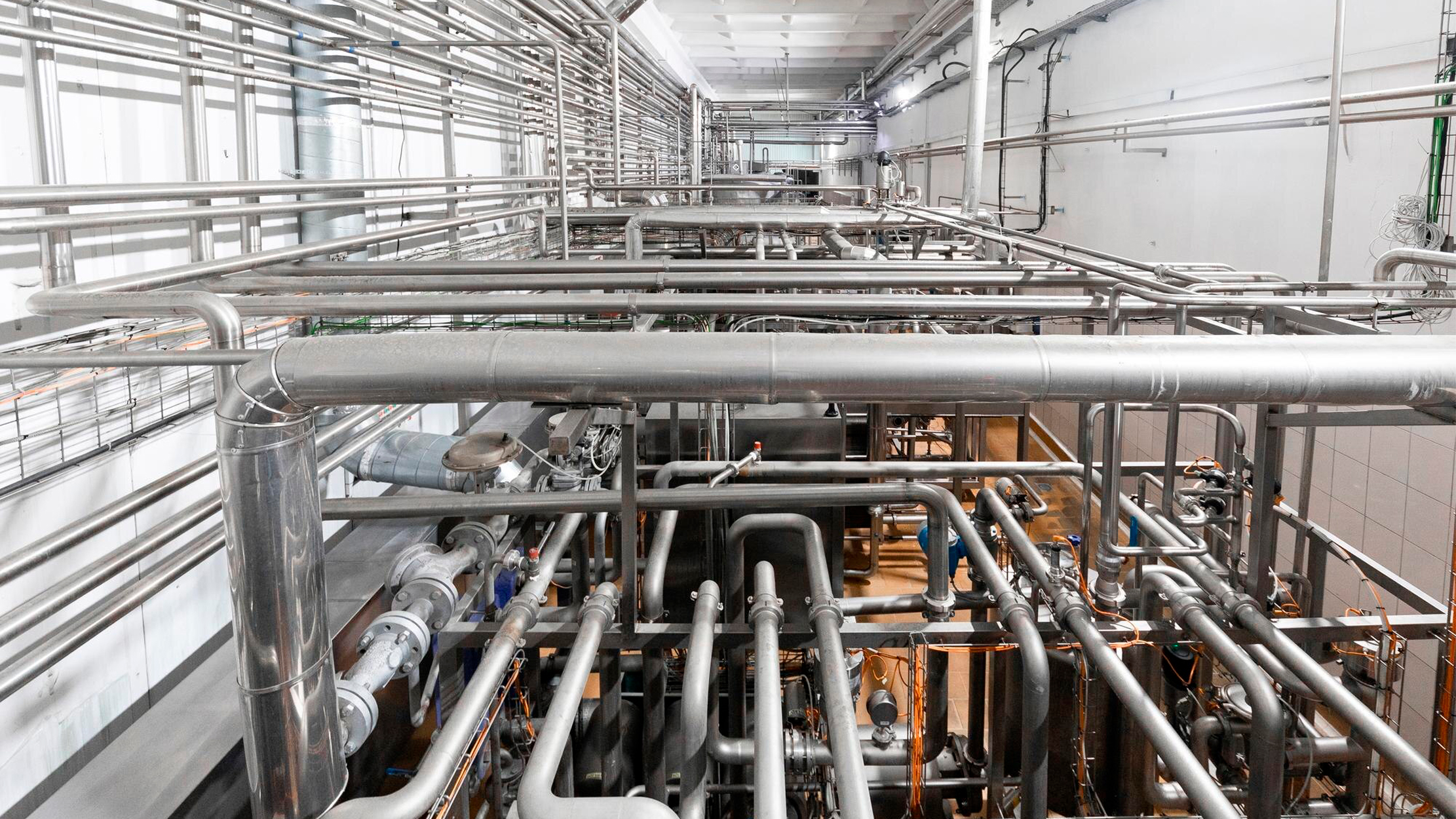
· Pipes and valves: Pipes that transport hot water or water with high levels of minerals can accumulate scale inside, which can reduce water flow and increase the pressure needed to move it.
· Cooling towers: Cooling towers evaporate water to dissipate heat, which can lead to a concentration of minerals and the consequent formation of scale.
· Refrigeration and freezing equipment: Although less common than with heat, certain components of refrigeration systems can experience scale formations, especially if the water used has a high mineral content.
· Food processing machinery: Any equipment that uses water in its operation, such as washing machines, pasteurizers, and sterilizers, can also be susceptible to scale formation.
Preventing Calcium Scale
Preventing the formation of calcium scale is crucial for maintaining the proper functioning of equipment and extending its lifespan. Some effective preventive measures include:
· Water Treatment: Using water treatment systems, such as water softeners or reverse osmosis systems, can reduce the concentration of minerals that cause calcium scale. These systems remove or reduce the minerals present in hard water, thereby preventing the formation of deposits.
· Anti-scale Products: At Instaquim, we offer products specifically designed to prevent the formation of calcium scale. These products can be added to water to inhibit the precipitation of minerals, thus keeping surfaces free of deposits.
· Regular Maintenance: Performing regular maintenance on equipment and systems that use water can help prevent the accumulation of scale. This includes periodic cleaning and descaling of boilers, water heaters, heat exchangers, and other susceptible equipment.
· pH Control: Maintaining an appropriate pH in the water can help prevent the formation of scale. Monitoring and adjusting the pH as needed can prevent certain minerals from precipitating and adhering to surfaces.
It is important to follow the manufacturer's recommendations and take necessary precautions when using any scale removal method to avoid damage to equipment or health risks. Additionally, implementing appropriate preventive measures is essential to avoid the formation of new scale in the future.
Conclusion
Calcium scale is not just an aesthetic issue; it also affects the efficiency and operation of many systems and appliances. By implementing prevention strategies and equipping yourself with effective removal methods, you can protect your home and prolong the lifespan of your facilities and appliances. Keeping water free from these calcareous deposits is crucial for effective water management in any residential or commercial setting.